

Products
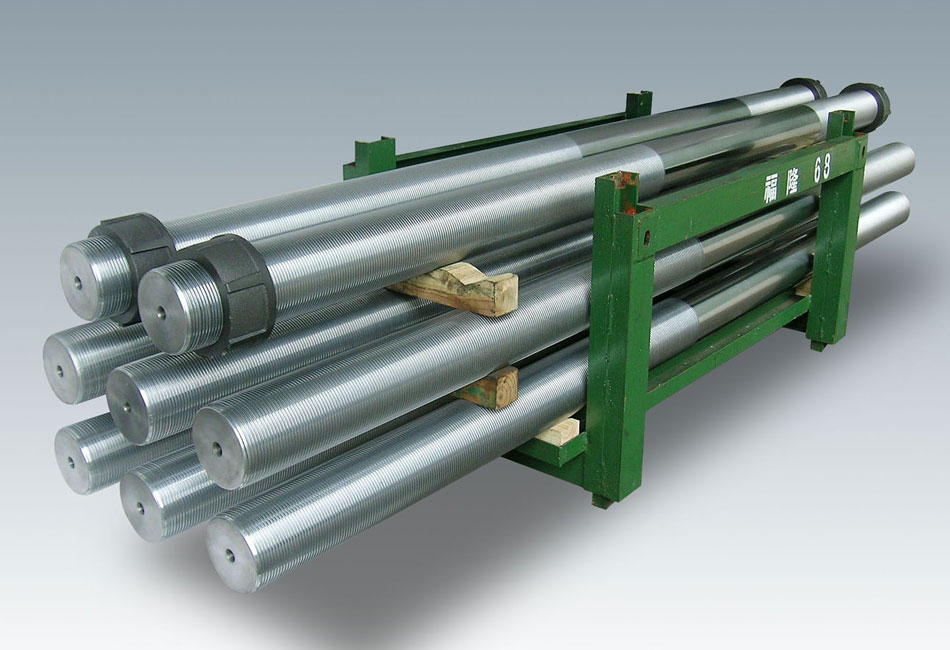
Tie Bar / Guide Rod
Description
Key Structural Components of Injection Molding Machines
Function & Role:
Tie Bars & Guide Rods are critical sliding and load-bearing components in injection molding machines. They must withstand high-frequency sliding motion and heavy loads. Material selection and heat treatment methods directly affect machine lifespan, operational stability, and long-term reliability.
Three Mainstream Material Options & Treatment Methods
1. S45C (Standard Treatment)
Material Characteristics:
Medium carbon steel with approximately 0.45% carbon content, offering basic strength, toughness, and good machinability.
Hardness / Strength:
Medium; suitable for general load conditions.
Typical Applications:
Low-frequency operation and light-load applications.
Key Advantages:
Cost-effective, easy to machine, short lead time.
2. S45C Quenched & Tempered (Heat Treated)
Material Characteristics:
Strength and hardness are significantly improved after heat treatment, while maintaining good toughness.
Hardness Range:
Approximately HRC 23 ±2
Typical Applications:
Medium- to high-frequency operation and high-load conditions, such as sliding zones and tie bar areas.
Key Advantages:
Improved wear resistance and fatigue strength, extended service life, reduced maintenance and repair requirements.
3. SCM440 (Red Cross) Quenched & Tempered with Surface Hardening
Material Characteristics:
Alloy steel SCM440 with a quenched and tempered core for excellent toughness, combined with additional surface hardening treatments such as high-frequency induction hardening.
Hardness Range:
Core: HRC 28 ±2
Surface: up to HRC 53 ±2
Typical Applications:
Critical high-load and high-wear areas, including fixed platens, moving platens, and guide rod sliding zones.
Key Advantages:
Exceptional surface wear resistance, excellent impact and fatigue resistance, suitable for harsh operating environments, the optimal choice for long-term, high-intensity operation.
Function & Role:
Tie Bars & Guide Rods are critical sliding and load-bearing components in injection molding machines. They must withstand high-frequency sliding motion and heavy loads. Material selection and heat treatment methods directly affect machine lifespan, operational stability, and long-term reliability.
Three Mainstream Material Options & Treatment Methods
1. S45C (Standard Treatment)
Material Characteristics:
Medium carbon steel with approximately 0.45% carbon content, offering basic strength, toughness, and good machinability.
Hardness / Strength:
Medium; suitable for general load conditions.
Typical Applications:
Low-frequency operation and light-load applications.
Key Advantages:
Cost-effective, easy to machine, short lead time.
2. S45C Quenched & Tempered (Heat Treated)
Material Characteristics:
Strength and hardness are significantly improved after heat treatment, while maintaining good toughness.
Hardness Range:
Approximately HRC 23 ±2
Typical Applications:
Medium- to high-frequency operation and high-load conditions, such as sliding zones and tie bar areas.
Key Advantages:
Improved wear resistance and fatigue strength, extended service life, reduced maintenance and repair requirements.
3. SCM440 (Red Cross) Quenched & Tempered with Surface Hardening
Material Characteristics:
Alloy steel SCM440 with a quenched and tempered core for excellent toughness, combined with additional surface hardening treatments such as high-frequency induction hardening.
Hardness Range:
Core: HRC 28 ±2
Surface: up to HRC 53 ±2
Typical Applications:
Critical high-load and high-wear areas, including fixed platens, moving platens, and guide rod sliding zones.
Key Advantages:
Exceptional surface wear resistance, excellent impact and fatigue resistance, suitable for harsh operating environments, the optimal choice for long-term, high-intensity operation.
Feature
- High Strength and Hardness:
- S45C (quenched & tempered) and SCM440 are capable of meeting heavy-load requirements.
- Excellent Wear Resistance:
- Surface treatments effectively reduce wear and extend service life.
- Good Toughness and Fatigue Resistance:
- Stable and reliable performance during long-term operation.
- High Customization Flexibility:
- Material options: S45C / SCM440
- Heat treatment methods and hardening depth
- Length, dimensions, and tolerances can all be customized according to requirements